

Comparison of Payment Methods in Digital Markets
September 13, 2026 · 3 min read

Introduction to Payment Methods in Digital Markets
The comparison of payment methods in digital markets is essential for entrepreneurs looking to optimize their transactions. In a world where digitalization is rapidly advancing, selecting the right payment method can make the difference between success and failure in a sale.
Online payment methods not only affect the user experience but also influence the security and efficiency of transactions. Whether you are selling physical products or digital services, it is crucial to understand the available options.
In this article, we will analyze the most popular methods, their advantages and disadvantages, and how they compare to help you make informed decisions.
Most Popular Payment Methods

Among the most commonly used payment methods in digital markets are credit cards, PayPal, bank transfers, and cryptocurrencies. Each of these methods has unique characteristics that may be more or less beneficial depending on the type of business you operate.
Credit cards are widely accepted and offer ease of transactions, although they may involve fees. On the other hand, PayPal is known for its speed and security, but it can also present fees that affect your profit margins.
Bank transfers are secure but can be slow, while cryptocurrencies, such as USDC, present an innovative option that is gaining popularity for their security and speed.
“Choosing the right payment method is key to customer satisfaction and business success.”
- Credit cards: convenience and wide acceptance.
- PayPal: speed and security, but high fees.
- Bank transfers: very secure, but slow.
- Cryptocurrencies: security and speed in the process.
Advantages and Disadvantages of Conventional Methods
Conventional payment methods, such as credit cards and PayPal, offer significant advantages, such as ease of use and global acceptance. However, they also present disadvantages, such as transaction fees that can accumulate over time.
For example, processing payments with a card often involves fees that can range between 2% and 5%. This means that while customers may enjoy a smooth purchasing process, sellers must be aware of how these fees can affect their profit margins.
Additionally, reliance on a third party to process payments can create issues of availability and security, which can affect customer trust.
Advantages of Cryptocurrencies
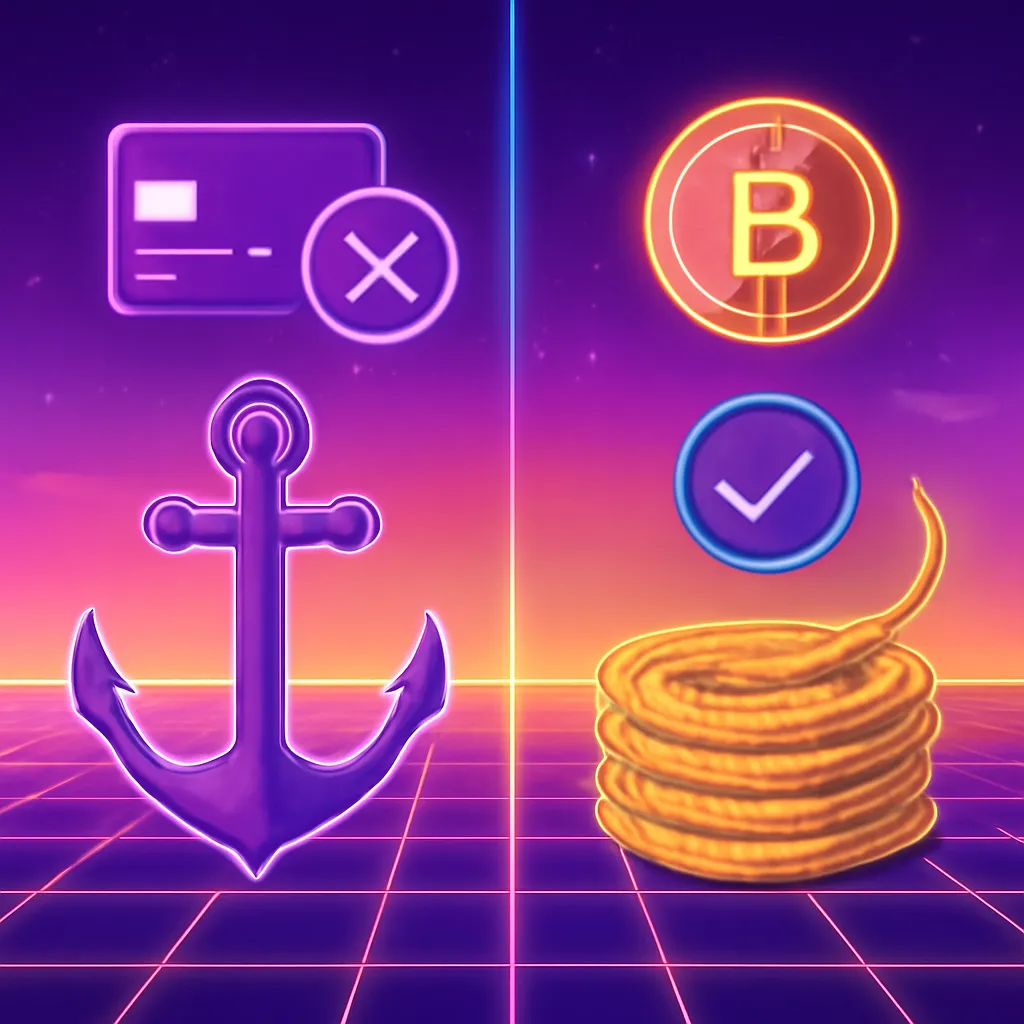
Cryptocurrencies, such as USDC, have revolutionized online payment methods in recent years. One of the main advantages is the security they offer, as transactions are encrypted and decentralized.
Moreover, transaction fees are usually lower compared to traditional methods, which can result in significant savings for sellers. Also, the speed of transaction execution allows for a better customer experience.
Another advantage is global accessibility, as cryptocurrencies are not limited by borders, allowing entrepreneurs to reach a broader market.
“Cryptocurrencies offer a secure and cost-effective alternative for digital markets.”
Considerations for Choosing a Payment Method
When deciding which payment method to use, it is important to consider the type of product or service you offer, as well as your customers' preferences. Conduct surveys or request feedback to better understand which methods they prefer.
It is also essential to evaluate the fees associated with each method. A method that seems convenient at first glance can become a burden if the fees are high.
Security is another crucial aspect. Ensure that the payment method you choose offers protection for both you and your customers.
Conclusion
The comparison of payment methods in digital markets is an essential topic for any entrepreneur. By understanding the advantages and disadvantages of each option, you can make informed decisions that will benefit both your business and your customers.
From traditional methods like credit cards and PayPal to innovative alternatives like cryptocurrencies, each option has its place in the digital ecosystem. The important thing is to evaluate which one best fits your business needs.
Remember that in such a competitive environment, offering a payment method that provides trust and security can be what sets you apart from the competition.
Frequently asked questions
What is the safest payment method?
Cryptocurrencies, like USDC, are considered very secure due to their encryption and decentralization. However, methods like PayPal also offer good protection.
What fees do conventional payment methods usually have?
Fees can vary, but they typically range from 2% to 5% of the transaction for credit cards. PayPal also has fees that can affect your margins.
How do I choose the best payment method for my business?
You should consider your customers' preferences, the associated fees, and the security each method offers. Conducting surveys can be helpful to better understand your audience's needs.
Ready to launch? Explore production-ready templates.
Explore the marketplace