
Automate Your Digital Product Sales with AI
August 20, 2026 · 2 min read

Introduction to Sales Automation
Automating your digital product business is key to optimizing your sales and increasing your efficiency. In a competitive market, implementing artificial intelligence (AI) can be the differentiating factor that drives your success.
Automation not only saves time but also allows entrepreneurs to focus on creativity and the development of new products. With the right tools, you can make your sales processes more efficient and profitable.
This article will guide you through the benefits of automation and show you how to use AI to enhance your sales strategies in the digital world.
Benefits of Automation with AI
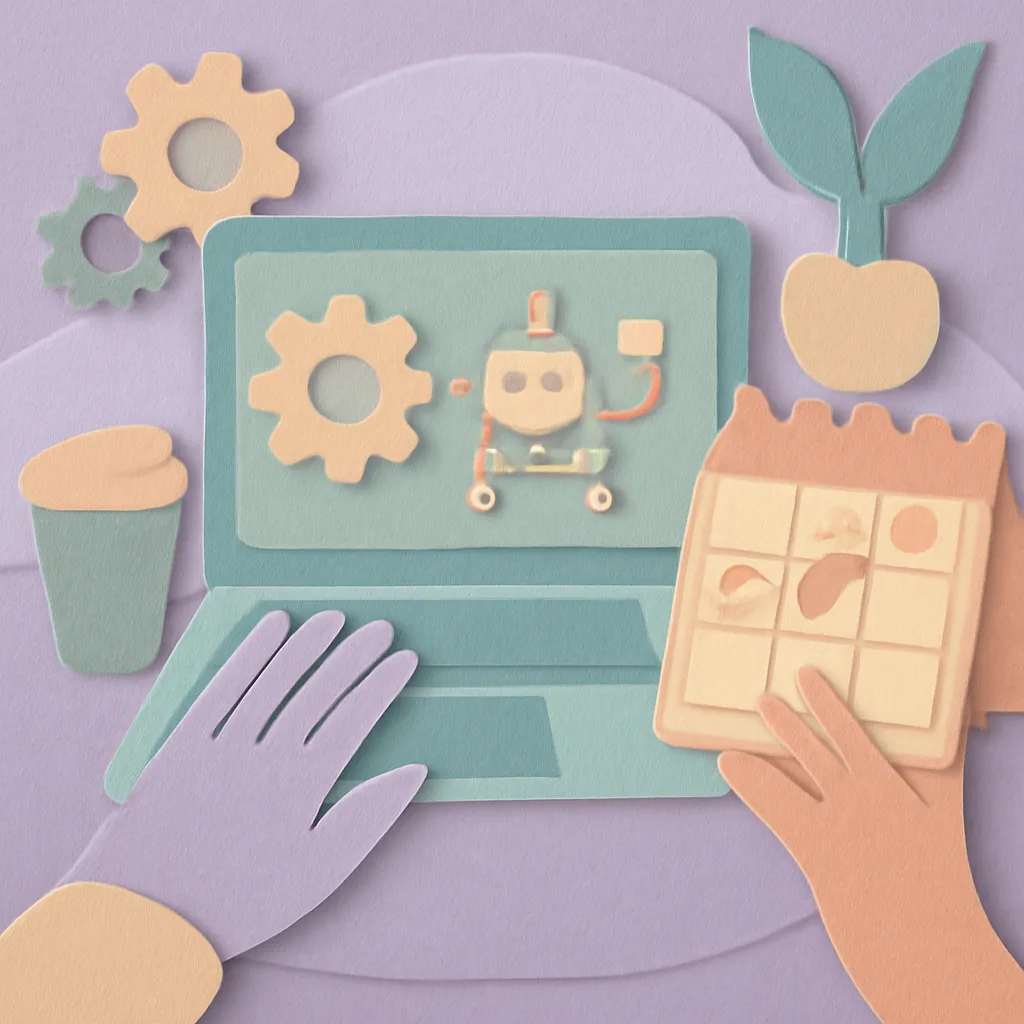
Automation with AI offers multiple benefits that can transform your digital business. From customer management to sales analysis, artificial intelligence can take on repetitive tasks and allow you to focus on what really matters: growing your business.
One of the main benefits is the ability to personalize the customer experience. By analyzing data, AI can identify patterns and user preferences, allowing you to offer more accurate and relevant recommendations.
Another key benefit is efficiency in inventory management. AI tools can predict sales trends and help you maintain optimal stock levels, thus avoiding losses and ensuring customer satisfaction.
“Automation with AI allows entrepreneurs to focus on creativity and the development of new products.”
AI Tools to Automate Your Business
There are various AI tools that you can integrate into your digital product business to automate processes. Here are some of the most notable:
1. **Chatbots**: Chatbots use AI to interact with customers in real-time, answer questions, and guide them through the purchasing process. This not only improves the user experience but also frees up valuable time for other aspects of the business.
2. **Automated marketing platforms**: These tools analyze user behavior and allow you to send personalized, segmented emails at the right time to maximize conversions.
- Chatbots for customer service
- Automated marketing platforms
- Predictive sales analysis
- AI social media managers
- Product recommendation systems
How to Implement Automation in Your Strategy

Implementing automation in your sales strategy requires careful planning. First, identify the areas that need the most optimization, such as customer service or inventory management.
Once you have determined these areas, select the AI tools that best fit your needs. Don't forget to consider the scalability of these tools so they can grow alongside your business.
Finally, measure the results of the implementations to continuously adjust and improve your processes. Feedback will allow you to adapt your strategies and ensure that automation is fulfilling its purpose.
Overcoming Obstacles in the Automation Process
Despite the benefits that automation offers, it is common to face obstacles in the process. One of the main challenges is resistance to change from the team. It is essential to foster a culture of innovation and continuous learning.
Another obstacle may be the initial investment in AI tools. While some solutions may seem costly, it is important to view them as a long-term investment that will yield significant returns.
Finally, lack of knowledge about how to use these tools can be a barrier. Proper training and gradual implementation of automation can help mitigate this challenge.
“Resistance to change and lack of knowledge are common obstacles in the automation process.”
Measuring the Success of Automation
Once you have implemented automation in your business, it is crucial to measure its success to know if it is truly providing the expected benefits. Use metrics such as conversion rate, customer response time, and return on investment (ROI).
The conversion rate will allow you to analyze how many visitors convert into buyers after implementing AI tools. An increase in this rate may indicate that automation is working.
Customer response time is another important indicator. A reduction in this time may reflect the effectiveness of chatbots and automation in customer service.
- Conversion rate
- Customer response time
- Return on investment (ROI)
- Customer satisfaction
- Number of automated interactions
Frequently asked questions
What types of digital products can I automate?
You can automate virtually any type of digital product, from online courses and ebooks to apps and templates. The key is to choose the right tools for each type of product.
Do I need technical knowledge to implement automation?
You don't need advanced technical knowledge, but a basic understanding of how AI tools work can be very helpful. Many platforms are designed to be intuitive and easy to use.
How quickly can I see results after automation?
Results can vary, but many companies start to see improvements in efficiency and conversion rates within weeks or months after implementation.
Ready to launch? Explore production-ready templates.
Explore the marketplace