
Do You Need a Complete Template or a Boilerplate?
October 10, 2026 · 3 min read

Introduction to Templates in Bernuvia
When it comes to developing a software project, choosing between a complete template and a boilerplate can be crucial for success. In Bernuvia, builders offer a variety of options, each with its own features and advantages. Understanding the key differences will help you make a more informed decision about which option best fits your needs.
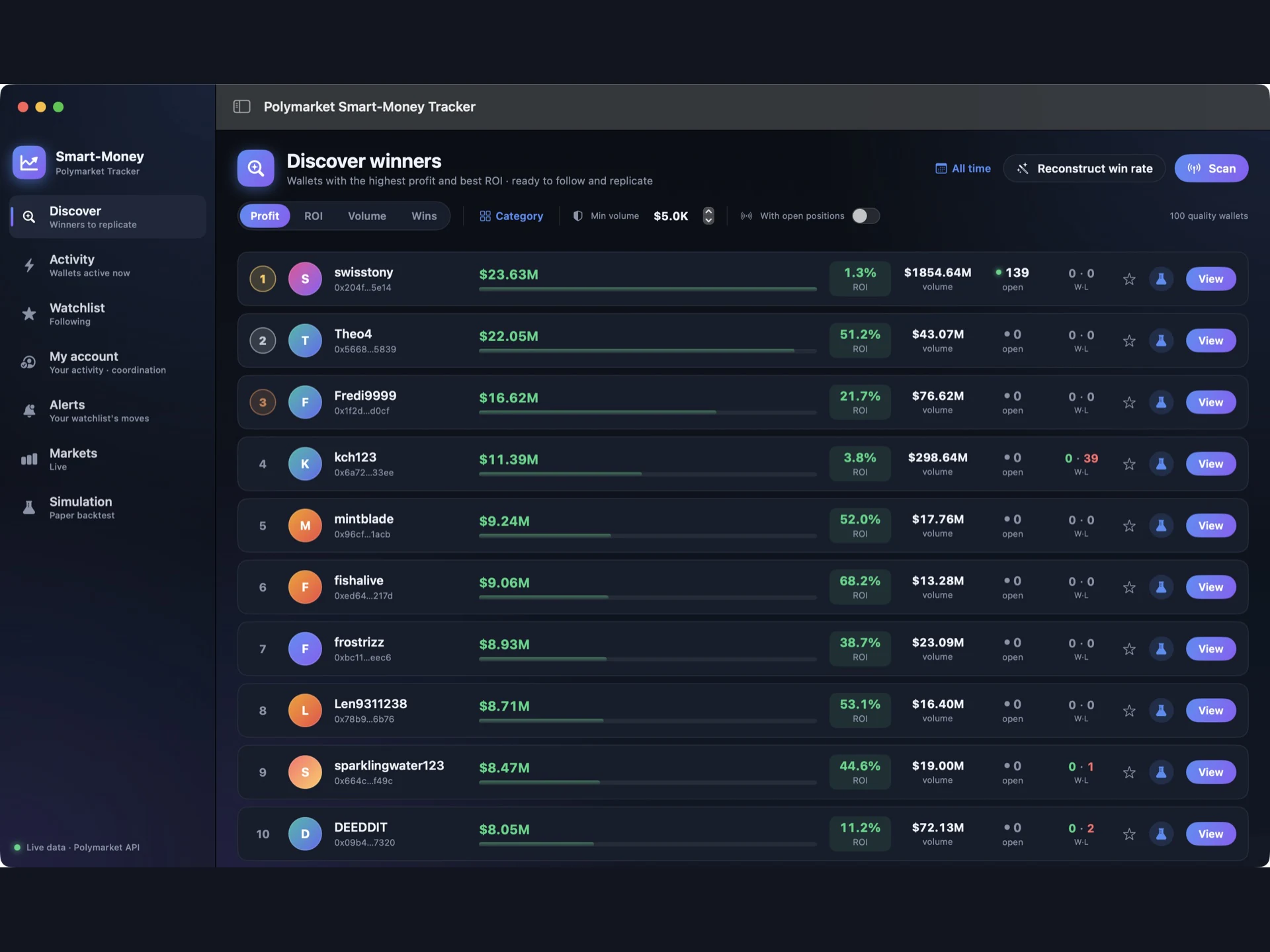
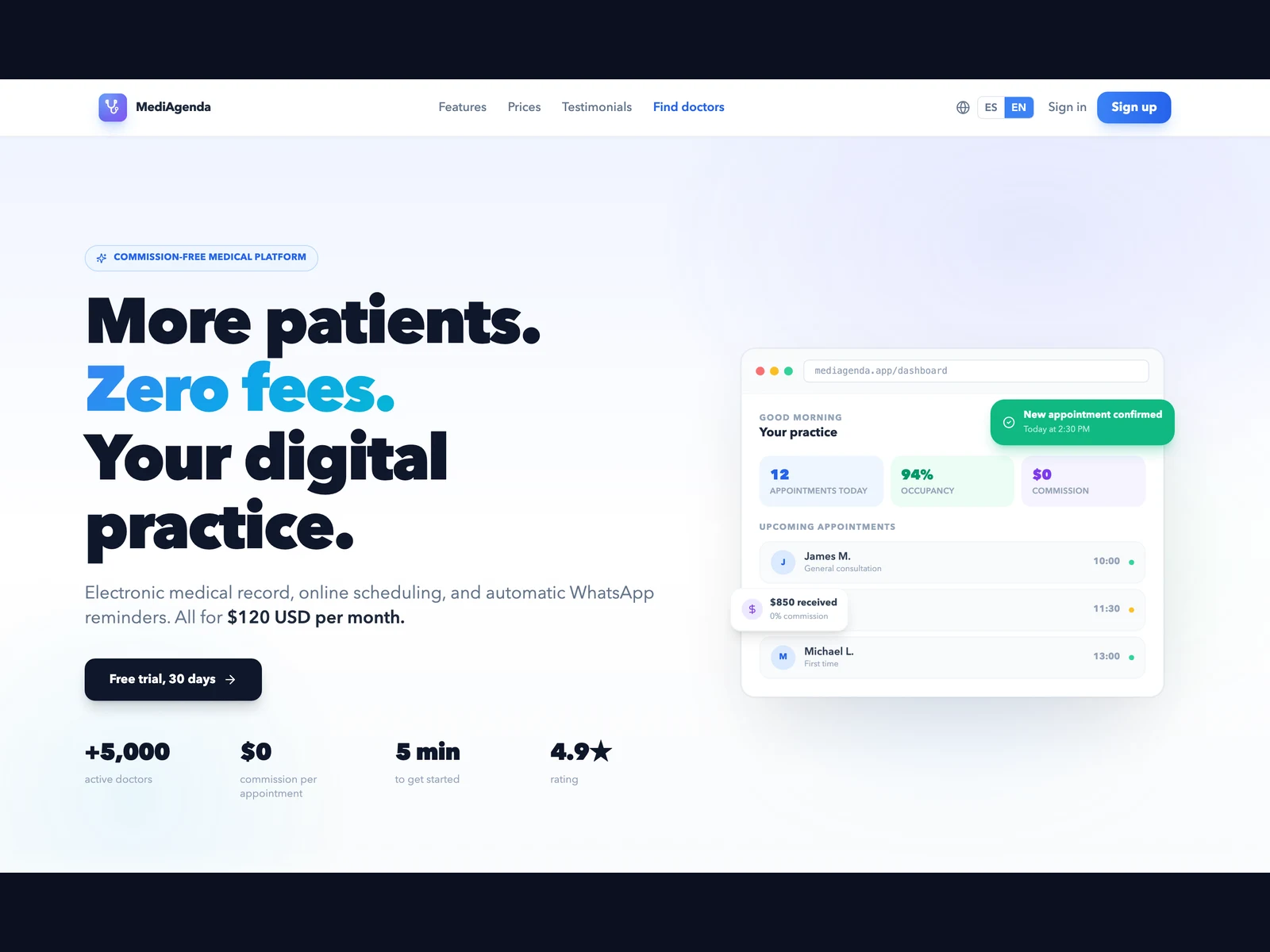
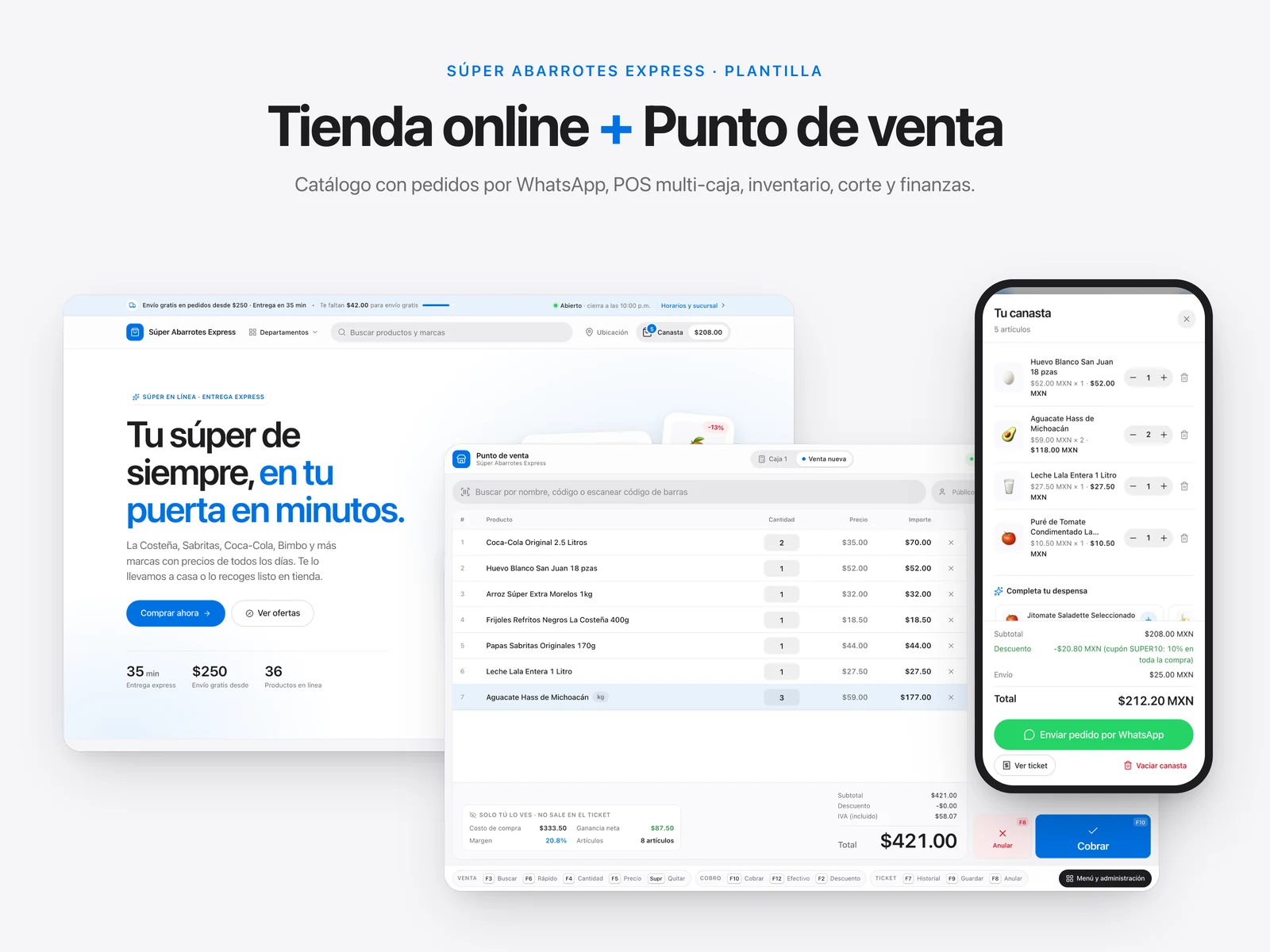
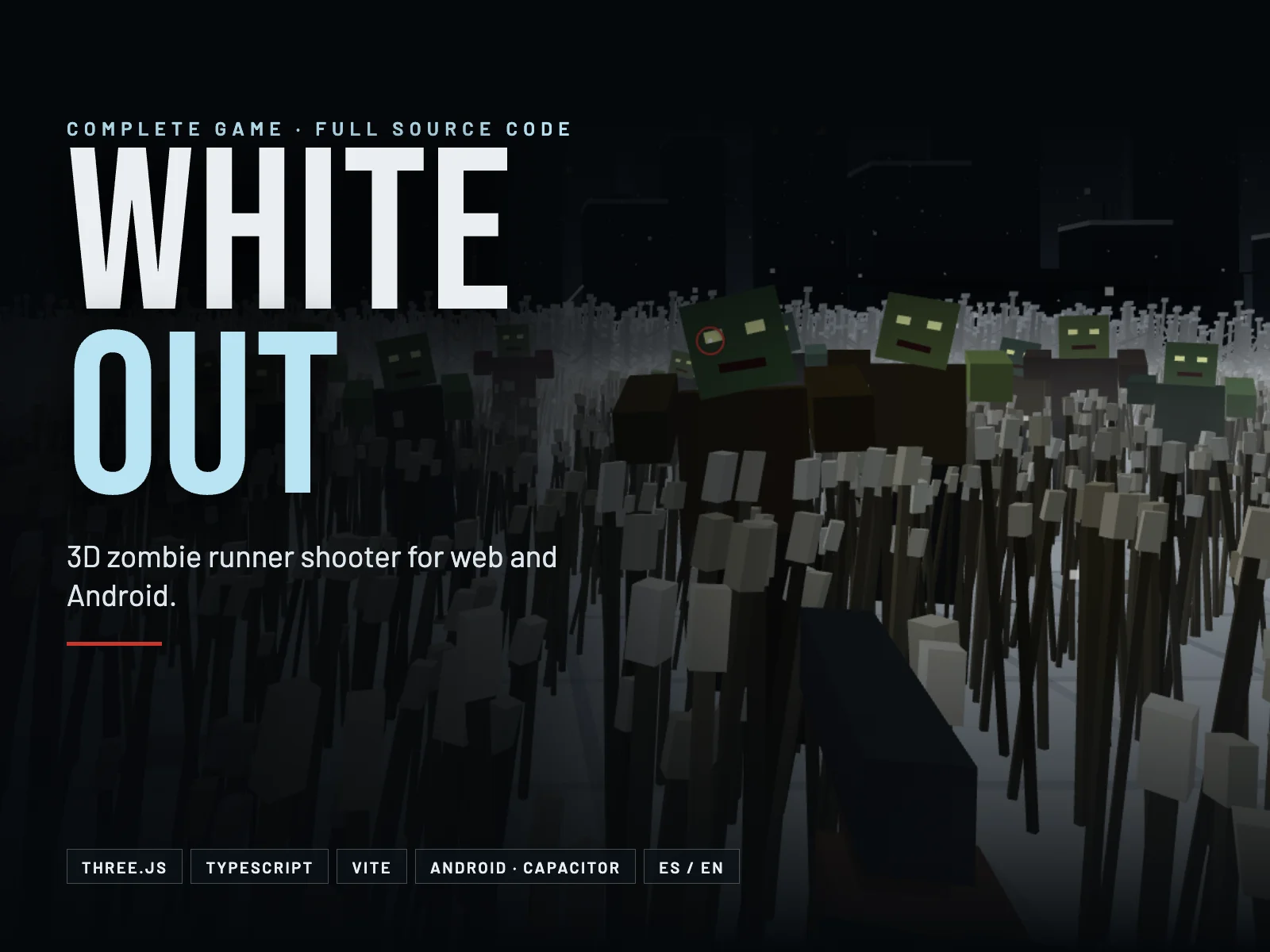
Complete templates are ready-to-use solutions that include all the necessary components for your application to function immediately. On the other hand, boilerplates are basic structures that provide a starting point, allowing for greater customization and flexibility in development.
In this article, we will analyze the differences between these two types of templates and provide you with a guide to decide which one is most suitable for your project.
What is a Boilerplate and When to Use It?

A boilerplate is a set of files and configurations that establishes the essential structure of a project. It includes the basic elements needed to start development but requires the developer to complete and customize the rest. Ideally, it is used in projects where a high degree of customization and control is desired.
Boilerplates are especially useful when working on a custom project, as they allow you to establish the foundation upon which you can build specific features. This means you can adapt it to the unique needs of your application without the limitations that complete templates may present.
However, it is vital to understand that using a boilerplate means you will need to invest more time and effort in customization and initial setup, so make sure you have the necessary resources.
“A boilerplate is your blank canvas, ready to be transformed with your creative and technical vision.”
Advantages of Complete Templates
Complete templates are an excellent option for those seeking speed and simplicity. These templates come pre-configured with specific functionalities and an attractive design, allowing you to dive into the development of your project immediately. You don't need to worry about setting up the basic structure; you can simply focus on additional features.
Moreover, complete templates often include detailed documentation, which is a great help for less experienced developers. This can facilitate the learning process and accelerate the implementation of your project.
However, it is important to note that these templates may not be as flexible as a boilerplate. If your goal is to create a highly customized solution, you may want to consider using a boilerplate instead.
- Quick and easy implementation.
- Attractive and functional designs.
- Detailed documentation to facilitate adaptation.
- Ideal for standard or less complex projects.
Use Cases: When to Choose Each Option

The choice between a complete template and a boilerplate largely depends on the project's characteristics and the team's resources. If you are working on a project that needs to be launched quickly and does not require extensive customizations, a complete template is the ideal option.
On the other hand, if your project involves specific requirements that necessitate deep customization, a boilerplate is the best choice. It will allow you to build a unique solution that fits your needs.
It is also important to consider your team's level of experience. If the team is new to development, a complete template can provide the necessary learning curve to then advance to using boilerplates.
Conclusion: Choose Wisely
In conclusion, both complete templates and boilerplates have their own advantages and disadvantages. The key is to assess your project's needs and the resources you have available. There is no one-size-fits-all answer; choose the option that best fits your vision and capabilities.
Remember that in Bernuvia you can find a variety of options that cater to different needs. Explore the catalog and choose the one that suits you best.
Make your project a success, whether you decide to go for a complete template or a boilerplate.
Frequently asked questions
What is a complete template?
A complete template is a ready-to-use solution that includes all the necessary components for your application to work immediately. Ideal for projects that require quick implementation.
When should I use a boilerplate?
You should use a boilerplate when you seek a high degree of customization in your project. It provides the basic structure but requires the developer to complete the rest.
What benefits does a complete template offer?
Complete templates offer quick implementation, attractive designs, and detailed documentation, facilitating development, especially for those with less experience.
Ready to launch? Explore production-ready templates.
Explore the marketplace