
Why User-Based Pricing Is Disappearing
October 21, 2026 · 3 min read

The Era of User-Based Pricing
User-based pricing has dominated the software market for many years, especially in the SaaS model. This model implies that companies charge their customers based on the number of users accessing the platform, which often translates into high costs for users.
However, this approach has begun to show its weaknesses. Many companies have realized that not all users effectively utilize the platform, leading to significant resource wastage. User-based payments are often difficult to justify for companies looking to maximize their profitability.
Moreover, the user-based pricing model tends to favor large organizations that can afford to pay for multiple licenses, leaving small entrepreneurs and indie developers at a disadvantage.
The Disadvantages of User-Based Pricing

There are several disadvantages associated with user-based pricing. First, this model can generate frustration among users who feel they are paying for a service they do not fully utilize. This can lead to a high churn rate, which is detrimental to any business.
Second, the lack of flexibility in pricing plans can make users feel trapped. Many prefer a model that allows them to pay only for what they actually use.
Finally, user-based pricing can be complicated to manage. Companies often have to invest time and resources in tracking and managing licenses, while users may feel confused by the different rates and conditions.
“User-based pricing favors large companies and penalizes small entrepreneurs.”
- Wastage of resources on unused licenses.
- Frustration and confusion for users.
- High churn rates that affect profitability.
- Lack of flexibility in pricing models.
- Complications in license management.
Alternatives to User-Based Pricing
An emerging alternative to user-based pricing is the pay-per-use model. This model allows users to pay only for what they use, which can help companies reduce costs and increase customer satisfaction.
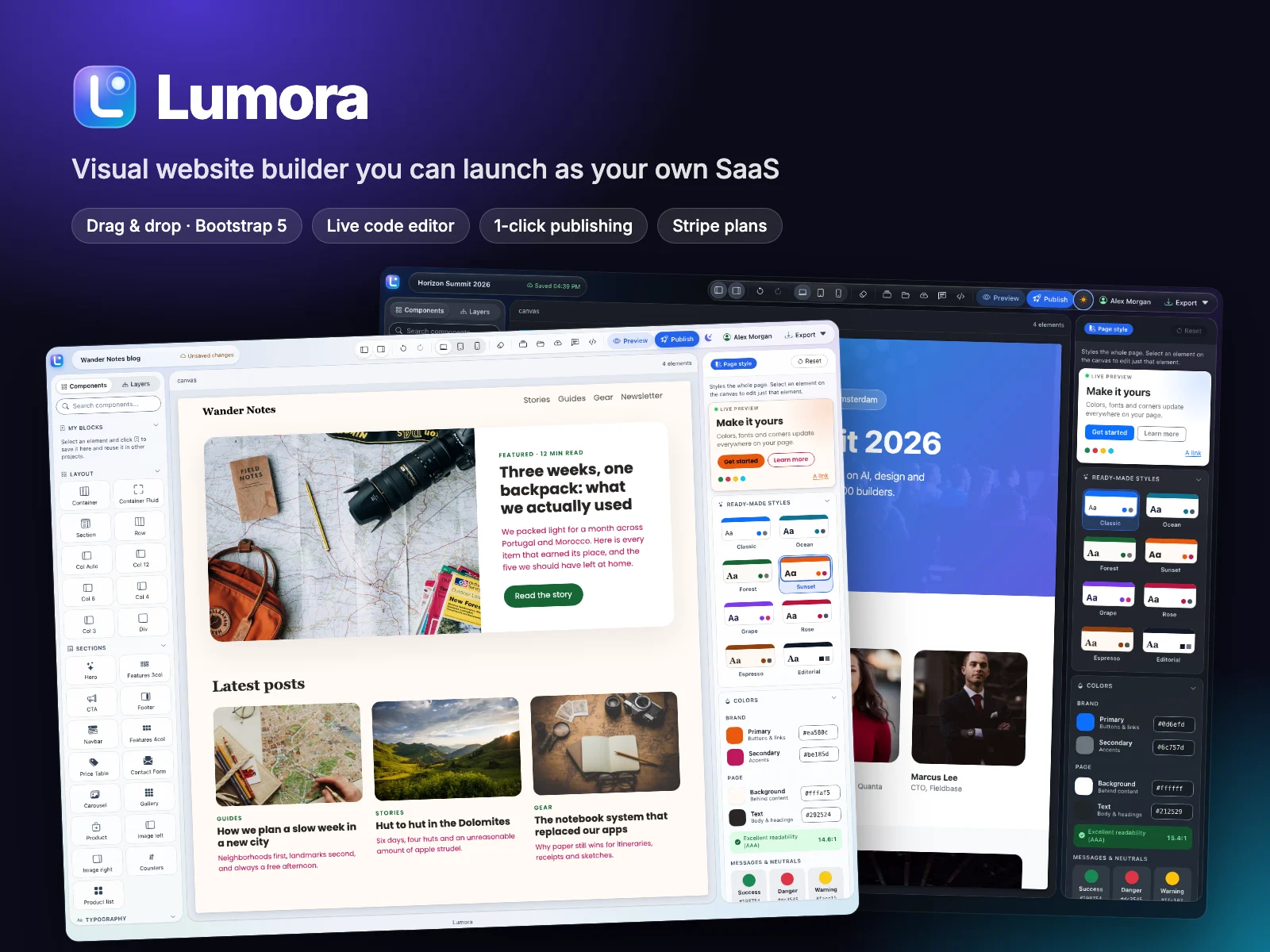
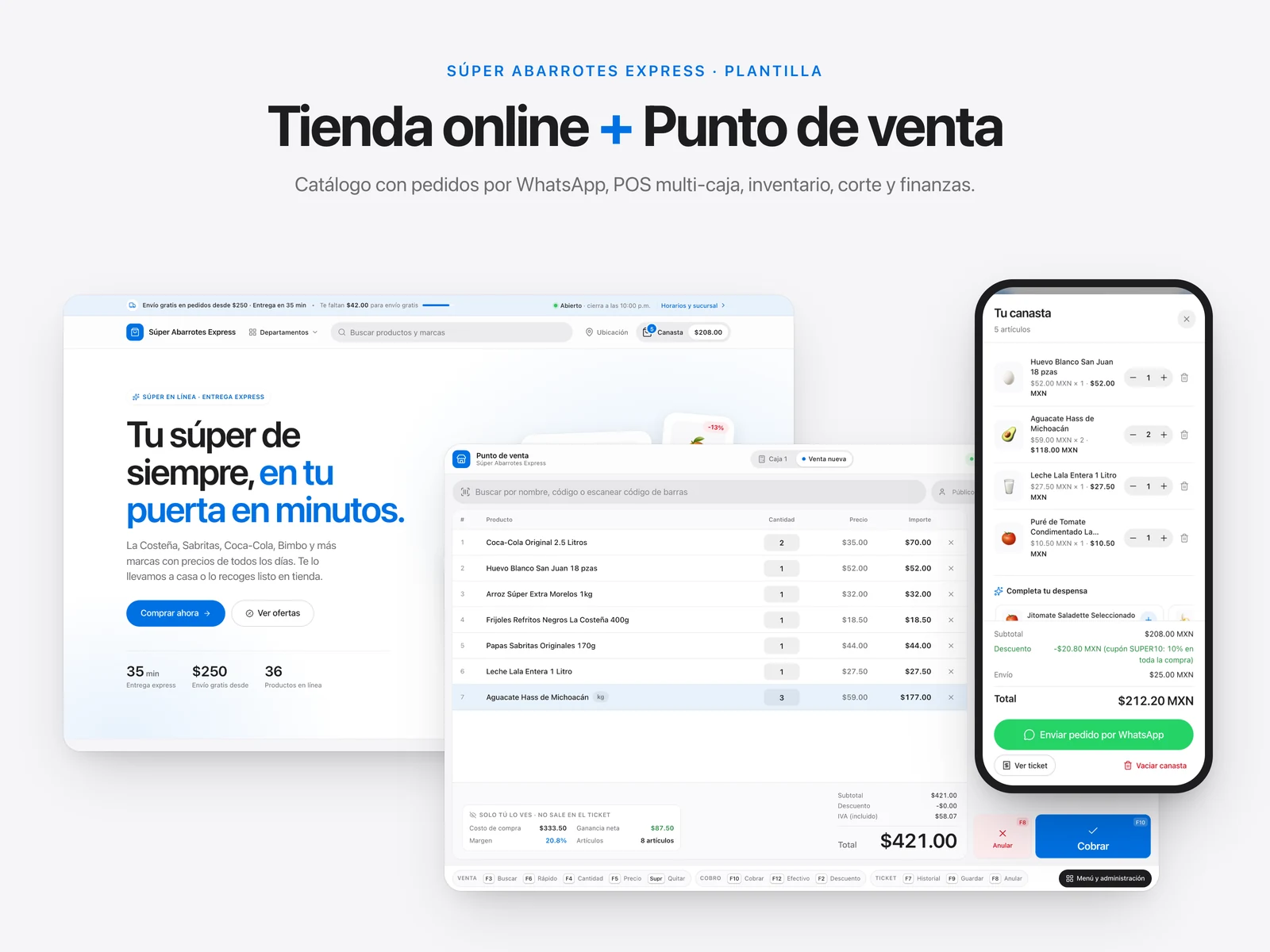
Additionally, code templates that can be purchased on platforms like Bernuvia offer an option that eliminates the need for recurring payments. Developers can acquire templates and 'vibe-coded' applications that they can use repeatedly without incurring additional costs per user.
This approach not only fosters greater transparency in costs but also allows entrepreneurs to focus on development and innovation instead of worrying about hidden costs associated with user-based pricing.
How to Choose the Right Payment Model

If you are considering alternatives to user-based pricing, it is essential to evaluate your specific needs and those of your users. Ask your customers what they value most and how they prefer to pay for your services.
It is also important to analyze the market and see what models your competitors are using. This will help you identify opportunities and adjust your pricing to be more competitive.
Finally, ensure that the payment model you choose is sustainable in the long term. A good pricing model should not only benefit your business but also your customers.
The Future of Pricing in Software Development
The future of pricing in software development points towards more flexible and user-centered models. Companies are beginning to realize that customer satisfaction is key to retention and growth.
Models like pay-per-use and one-time purchases of templates are gaining ground, allowing developers and entrepreneurs to have greater control over their costs and resources.
As the market evolves, it will be crucial for companies to adapt to these new trends and offer options that are not only profitable but also generate loyalty and satisfaction among their customers.
Conclusion: The Need to Evolve
In conclusion, the disappearance of user-based pricing is an opportunity for companies to reconsider their revenue models. By adopting more flexible and user-centered approaches, they can improve customer satisfaction and maximize their profitability.
Code templates are an excellent option for those looking to avoid user-based pricing. They offer significant value without the recurring costs that often come with traditional SaaS models.
The key is to evolve and adapt to the changing needs of the market. By doing so, companies can not only survive but thrive in an increasingly competitive environment.
Frequently asked questions
What is user-based pricing?
It is a business model where companies charge their customers based on the number of users accessing the software. This model can lead to high costs if not all users utilize the platform.
What are the disadvantages of user-based pricing?
The main disadvantages include resource wastage, user frustration, high churn rates, and a lack of flexibility in pricing plans.
What alternatives exist to user-based pricing?
Alternatives such as pay-per-use models and purchasing code templates offer greater flexibility and control over costs, allowing users to pay only for what they actually use.
How to choose the right payment model?
It is important to assess the specific needs of your users, analyze the market, and ensure that the chosen payment model is sustainable and beneficial for both the business and the customers.
Ready to launch? Explore production-ready templates.
Explore the marketplace