
5 Keys to Create an Irresistible Builder Portfolio
August 18, 2026 · 3 min read

The Importance of an Attractive Portfolio
An effective builder portfolio is crucial to stand out in a competitive market. A good portfolio not only showcases your skills but also establishes trust with potential clients. Presenting your projects attractively can make the difference between a closed sale and a missed opportunity.
The visual presentation of your work, along with clear and concise descriptions, can capture the attention of your visitors. Additionally, a well-structured portfolio reinforces your personal brand and your style as a creator. Don't underestimate the power of a good first impression.
With the rise of 'vibe coding', where AI plays a central role in application development, it is essential that your portfolio reflects current trends and your capabilities in this area. A portfolio should not only be informative; it should be inspiring.
5 Keys to Highlight Your Portfolio
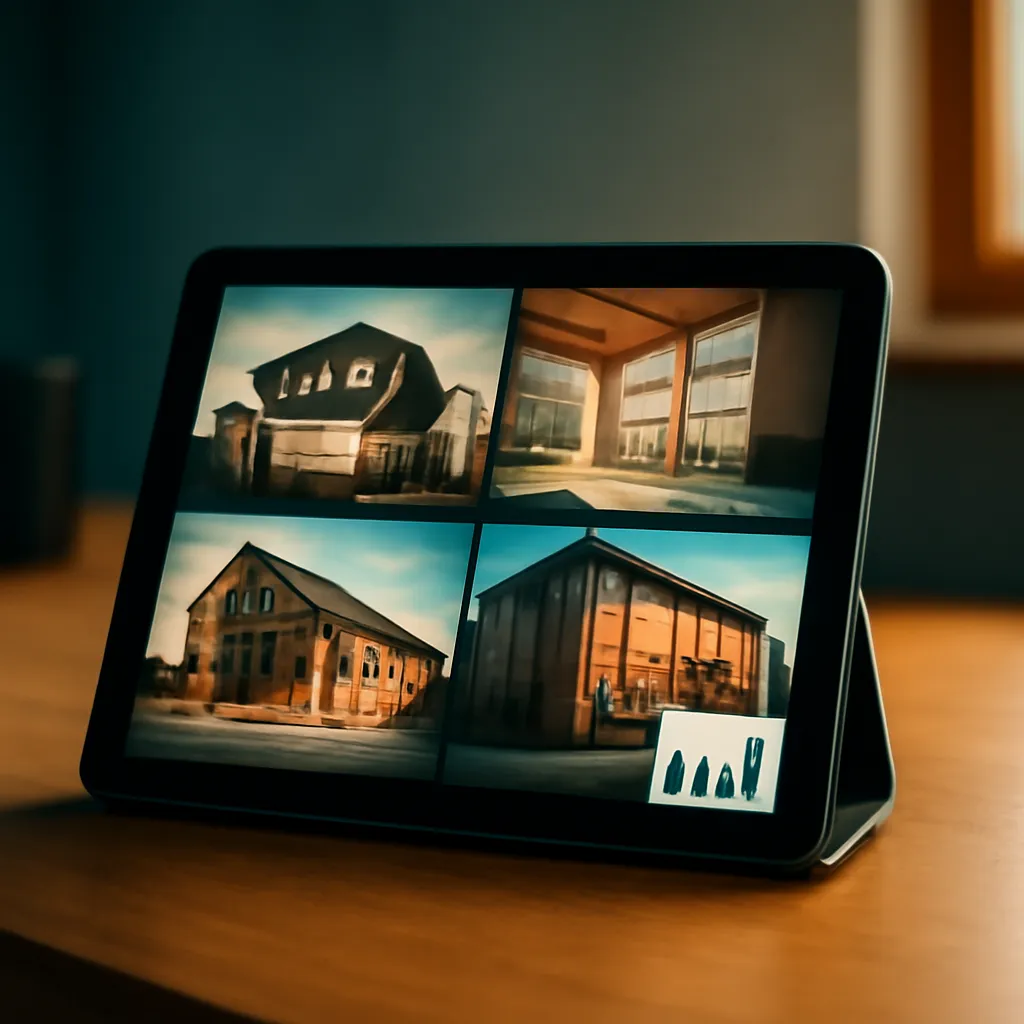
For your builder portfolio to be effective, you must incorporate these five keys. First, showcase your best work: select those projects that highlight your skills and align best with what you want to sell. It’s not necessary to include everything you’ve created; quality over quantity is the rule here.
Second, consider adding use cases: illustrating how your applications or templates have solved specific problems can attract more attention from potential buyers. Additionally, providing data or metrics about the performance of your projects can be a great added value.
Third, include client testimonials: the opinions of satisfied users increase the credibility of your work. Let your clients speak for you. Fourth, a clean and intuitive design: the way you present your portfolio should be as attractive as the content, facilitating navigation and understanding of your projects.
Finally, update your portfolio regularly: this not only shows your growth as a professional but also keeps your work relevant in a constantly changing technology environment.
“The quality and presentation of your portfolio are key to attracting more clients.”
- Show only your best projects.
- Include use cases and metrics.
- Add client testimonials.
- Use a clean and attractive design.
- Update your portfolio regularly.
Common Mistakes When Building a Portfolio
Often, builders make mistakes that can harm their portfolio. A common mistake is not focusing on the target audience. It is essential to understand who your potential clients are and what they need to tailor your presentation to their expectations.
Another frequent mistake is the lack of context. When presenting a project, you should not only include the final result but also the process behind it. Explaining the problem you solved and the tools you used adds value to your work and makes visitors feel more connected to your creative process.
Finally, many builders tend to add too much information. A cluttered portfolio can confuse visitors. Keep the information clear and concise, highlighting the most relevant points to quickly capture their attention.
Visual Presentation: A Key Element

The visual presentation of your portfolio cannot be underestimated. Use high-quality images that showcase your projects in action. Establish a consistent color scheme and typography that reflect your style as a builder.
Use visual elements to guide the narrative of your portfolio. Infographics, diagrams, and screenshots are valuable tools that can make your work more understandable and visually appealing.
Also, remember interaction: if possible, include live demonstrations of your applications or templates. This will allow visitors to experience your work firsthand and increase the likelihood of conversion.
Optimize Your Portfolio for SEO
Don't forget that a well-optimized portfolio for SEO can attract organic traffic. Use relevant keywords in your descriptions, titles, and tags. This will help your portfolio appear in search results for potential clients.
Additionally, consider the loading speed of your portfolio. A slow site can frustrate visitors and cause them to leave before exploring your work. Optimize images and design to ensure a smooth user experience.
Finally, make sure your portfolio is responsive. More and more users access the internet from mobile devices, so your portfolio should look just as good on all formats.
Conclusion: Build a Portfolio that Sells
Creating an attractive and efficient builder portfolio is an art that requires time and dedication. By implementing the keys mentioned, you will be in a better position to attract more clients and take your projects to the next level.
Remember that your portfolio is an extension of yourself as a creator. Make sure it reflects not only your skills but also your personality and vision as a builder.
Don't forget to keep learning and improving. The world of software development and technology is constantly evolving, and your portfolio should evolve with it.
Frequently asked questions
How much time should I dedicate to creating a portfolio?
The time can vary, but it is advisable to dedicate at least a few weeks to research, select projects, and design the appropriate presentation.
What type of projects should I include in my portfolio?
Including projects that showcase a variety of skills and are relevant to your target audience is key. Also, consider projects that have had a significant impact.
How can I obtain client testimonials?
You can request feedback after completing a project, offering a small incentive in exchange for an honest review. Be sure to ask for permission before publishing their comments.
Is it necessary to update my portfolio regularly?
Yes, updating your portfolio with new projects and improvements is essential to show your growth and keep it relevant in a changing market.
Ready to launch? Explore production-ready templates.
Explore the marketplace