
AI Agents vs SaaS: The Business Transformation
September 27, 2026 · 3 min read

Introduction to AI Agents
Today, AI agents are transforming how businesses operate. These agents, which use artificial intelligence to perform specific tasks, offer a more efficient and flexible alternative to traditional business applications based on the SaaS model.
As consumer expectations rise and technology advances, many companies find themselves at a crossroads: stick with the SaaS model or adapt to the capabilities of AI agents. This article will analyze how these agents are impacting the market and what benefits they offer.
Whether in process automation or personalizing user experience, AI agents are rapidly gaining ground across various industries, from customer service to project management.
“AI agents are revolutionizing the way companies optimize their operations and resources.”
The Efficiency of AI Agents
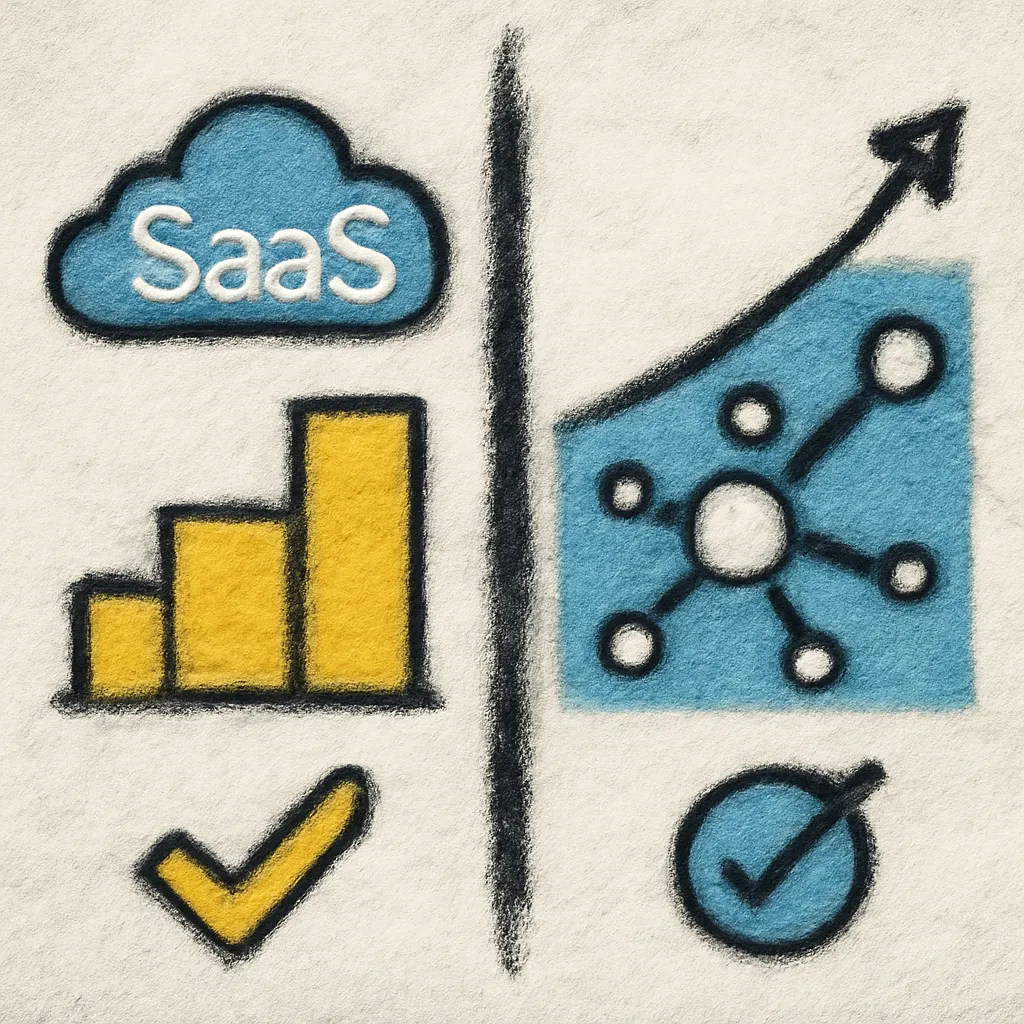
AI agents stand out for their ability to handle repetitive tasks more quickly and accurately than traditional applications. This translates into cost reductions and increased labor productivity.
Unlike SaaS applications, which often require ongoing subscriptions, AI agents can operate autonomously, allowing companies to redirect resources to more strategic areas. This flexibility is vital for adapting to a changing and competitive business environment.
Implementing AI agents can reduce operational costs and increase efficiency by 30% or more. For example, in the customer service sector, AI chatbots can respond to common inquiries without human intervention, freeing up time for employees.
- Significant reduction in operational costs.
- Increased labor efficiency and improved productivity.
- Flexibility in adapting to new tasks and requirements.
- Autonomous operation that reduces reliance on subscriptions.
Comparison between SaaS and AI Agents
To understand why the SaaS model faces threats from AI agents, it is crucial to compare both approaches. SaaS applications are generally easy to implement but often lack the adaptability that AI agents offer.
AI agents not only perform tasks but also learn and improve over time, adapting to the specific needs of the business. This creates added value that SaaS applications cannot match.
In terms of costs, SaaS applications can become more expensive in the long run due to ongoing subscriptions, while AI agents involve an initial investment that can be quickly amortized thanks to their efficiency.
- Closed ecosystem (SaaS) vs. Open ecosystem (AI).
- Long-term cost: SaaS generates ongoing subscriptions while AI can be a one-time investment.
- Constant evolution: AI agents naturally improve over time, while SaaS often has limited updates.
Challenges Facing AI Agents
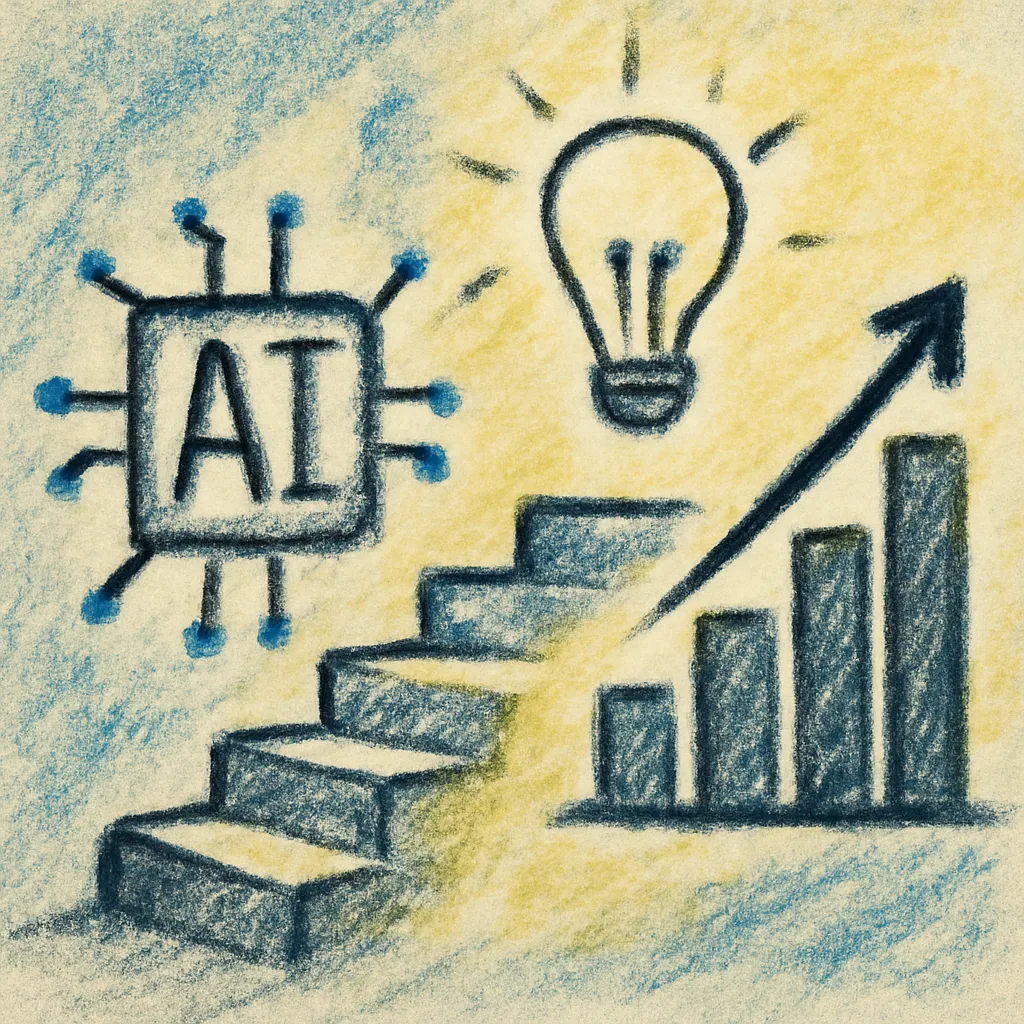
Despite their advantages, the adoption of AI agents is not without challenges. One of the main challenges is integration with existing systems, which can be complex and time-consuming. Often, companies must modify their infrastructures to effectively incorporate AI technology.
Additionally, concerns about data security and privacy are critical issues that must be addressed before implementing AI agents in a business environment. This includes ensuring that sensitive information is adequately protected.
Companies must also consider staff training to ensure they are prepared to work with this new technology. Without proper training, the potential of AI agents may not be fully realized, limiting their positive impact on the organization.
“The challenges of integration and training are crucial for the success of AI agents in the business environment.”
Future Perspectives: Where Are We Going?
As AI agents continue to evolve, they are expected to play an increasingly important role in the business realm. Companies are beginning to experiment with this technology to discover new ways to improve their operations. The key will be to balance innovation with stability in their processes.
We are likely to see greater fusion between SaaS systems and AI agents, where both approaches will complement each other rather than compete. This will open new opportunities for innovation and create more efficient solutions, helping organizations adapt to a changing environment.
However, the success of this transformation will depend on companies' ability to adapt and evolve with technology. Those who do will be well-positioned to thrive in a constantly changing market.
- Greater fusion between SaaS and AI agents.
- Continuous innovation in business processes.
- Necessary adaptation to leverage new technologies.
Conclusion: The Evolution of the Tech Market
The emergence of AI agents represents a paradigm shift in the business world, challenging the dominance of the SaaS model. Companies that recognize and leverage this transformation will be better prepared to face future challenges.
Ultimately, the future of work may not be about competition between applications, but about collaboration between technology and humans, where AI agents play a crucial role in creating a more efficient and adaptive environment.
The key will be the ability of companies to effectively integrate these technologies, ensuring that benefits are maximized while risks are minimized.
Frequently asked questions
What are AI agents?
AI agents are systems that use artificial intelligence to autonomously perform specific tasks, improving efficiency and adaptability in business processes.
Why is the SaaS model at risk?
The SaaS model is at risk due to the growing adoption of AI agents, which offer more efficient and flexible solutions, potentially rendering SaaS applications obsolete.
What are the main benefits of AI agents?
The main benefits include reduced operational costs, increased efficiency, learning and adaptation capabilities, and the ability to operate autonomously.
What challenges do AI agents face?
Challenges include integration with existing systems, concerns about data security, and the need for staff training to maximize their potential.
Ready to launch? Explore production-ready templates.
Explore the marketplace