
From SaaS to Proprietary: Transform Your Tool into Own Code
October 17, 2026 · 3 min read

The First Step: Recognizing the Need for Change
If you are a developer or entrepreneur who has been using software as a service (SaaS), you have likely experienced limitations that affect the growth of your project. Migrating from SaaS to owning your own code can be the solution to these problems. Identifying the limitations and the costs associated with SaaS tools is essential to evaluate a change.
SaaS tools offer convenience, but they often come with recurring costs and restrictions on customization. Recognizing when it is the right time to make this change is crucial for your long-term success. Ask yourself if the current software truly meets your needs.
The key is to assess whether the functionalities of the current software meet your needs and if an ownership approach could offer you more freedom and control over your projects. Every entrepreneur must weigh these aspects to make informed decisions.
Benefits of Owning Your Own Software

Migrating to a proprietary software model brings with it a number of significant advantages. First, it gives you the freedom to modify and customize the code according to your specific requirements, allowing you to adapt the tool to your individual needs.
Additionally, by owning your software, you eliminate the monthly or annual costs associated with SaaS subscriptions. This can result in considerable savings over time, making your investment in development more sustainable and profitable.
Finally, having your own code means you are not subject to the policies and price changes of an external provider. This total control facilitates the planning and execution of future developments, optimizing the management of your projects.
“Owning your software gives you freedom and total control over your project.”
- Complete customization according to your needs.
- Elimination of recurring subscription costs.
- Stability in planning your project.
Steps to Migrate Your Rented Software to Own Code
The migration process may seem overwhelming, but it can be broken down into manageable steps. First, identify the critical functionalities you need in your new software to ensure it meets your basic and future needs.
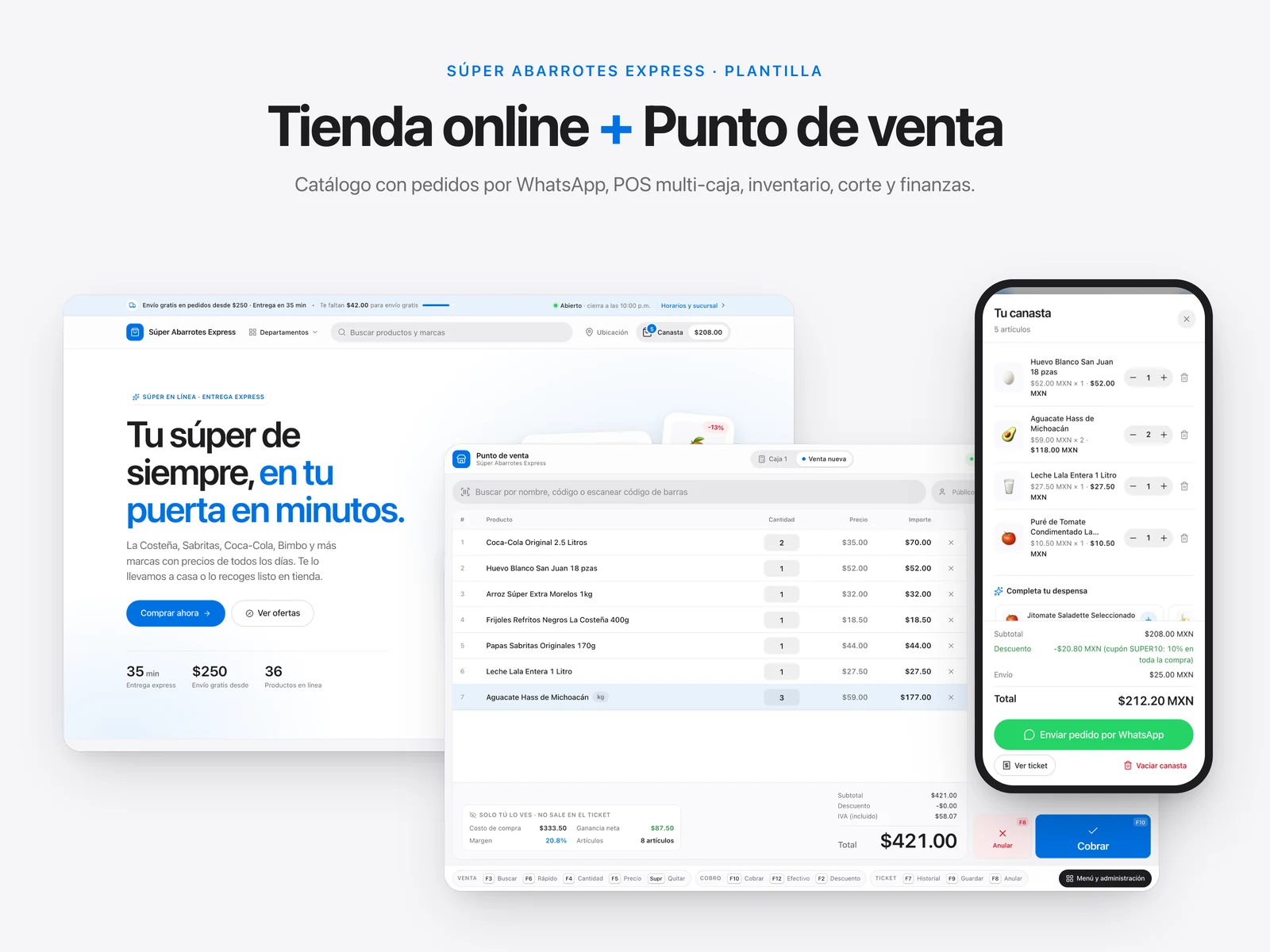
Next, look for code templates or applications that align with your requirements. At Bernuvia, you can explore various 'vibe-coded' templates that can serve as an ideal foundation for your project. These templates are designed to facilitate customization and integration into your workflow.
Finally, make sure to conduct thorough testing on your new software before completely leaving the SaaS model. This will ensure that your migration is successful and smooth, allowing necessary adjustments before final implementation.
Technical Considerations When Making the Migration

When migrating to proprietary software, it is crucial to consider technical aspects such as database integration, compatibility with other systems, and long-term support. Each of these elements influences the functionality and stability of your application.
You should also think about updates and maintenance. Having a plan to manage these aspects is vital to avoid problems in the future. Consider establishing a maintenance schedule to ensure that the software remains updated and functions correctly.
Remember that the quality of the code you acquire will influence the scalability and performance of your product. Be sure to select solutions with a good reputation and that have been reviewed by other developers to ensure their effectiveness.
Common Challenges and How to Overcome Them
When migrating to a proprietary software model, you may face several challenges. One of the most common is resistance to change within your team. It is important to clearly communicate the benefits and value of the migration to minimize doubts and concerns among team members.
Another challenge may be the learning curve that comes with using new software. Provide resources and training to facilitate this transition. Consider training sessions and documentation that help your team familiarize themselves with the new tools.
Finally, make sure to have a support system in place to resolve any issues that arise during and after the migration. This may include assigning an internal support team or hiring external consultants who can assist in the process.
Future and Opportunities with Proprietary Software
Migrating to a proprietary software model not only gives you control over your tool, but also opens the door to new opportunities. You can innovate and adapt your software to market trends without restrictions, allowing you to remain competitive in a constantly changing environment.
Additionally, you may consider monetizing the software you develop, either by selling it or creating a subscription model. This can diversify your income sources and provide a steady flow of financial resources for future investments.
Finally, by having total control, you can build a community around your product, which can lead to continuous feedback and improvements in quality. Fostering this community can be key to the growth and evolution of your software.
Frequently asked questions
Is it difficult to migrate from SaaS to proprietary software?
The difficulty of migration depends on the complexity of the software you use. However, with a clear plan and the use of appropriate templates, the process can be manageable. Make sure to have a well-structured approach to minimize complications.
How much can I save by stopping using SaaS?
Savings will vary depending on the subscription fee you were paying. In the long run, you can save a significant amount by eliminating recurring costs. This translates not only into money but also into resources that you can invest in improving your software.
What should I consider when choosing templates for my new software?
Make sure that the templates are flexible, well-documented, and align with the specific needs of your project. Also, check reviews from other users to assess their quality. Choosing the right templates can greatly facilitate the migration process.
Ready to launch? Explore production-ready templates.
Explore the marketplace